
Preservation of Heritage and Culture
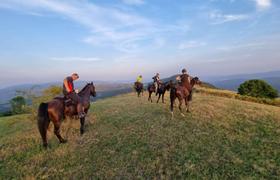
When scrolling through the itineraries of our offers, you will notice that there is more to it than just sitting on a horse. Horseback tours offer insights into cultural customs and local heritage, whether through festivals, visits to historical sites, or participation in traditional ways of life, such as cattle drives. Whenever tourism and local heritage or culture are combined, there is a risk of cultural commodification – that is, the shift of customs towards becoming performative to please tourists, rather than existing for the local community.
However, when taking part in these customs or events as part of horseback tours, their impact is quite different. Cultural integration and education in such tours are usually carried out in an immersive and educational way, in which tourists get to experience how people live without expecting any special performances. During horseback tours, visitors usually stay at each location only for a short period of time, which gives locals less incentive to change their way of life, as opposed to situations where, for example, hotels are built. While riding through the countryside and villages, and talking to guides and locals, tourists learn to see both the good and bad sides of a place, as well as the connection between its past and present, without changing its nature.
Interested in authentic cultural immersion? Then you may enjoy these rides:
The Coffee Trail Ride, Colombia
Two Cultures Trail: Poland and Czechia
Protection of Endangered Horse Breeds
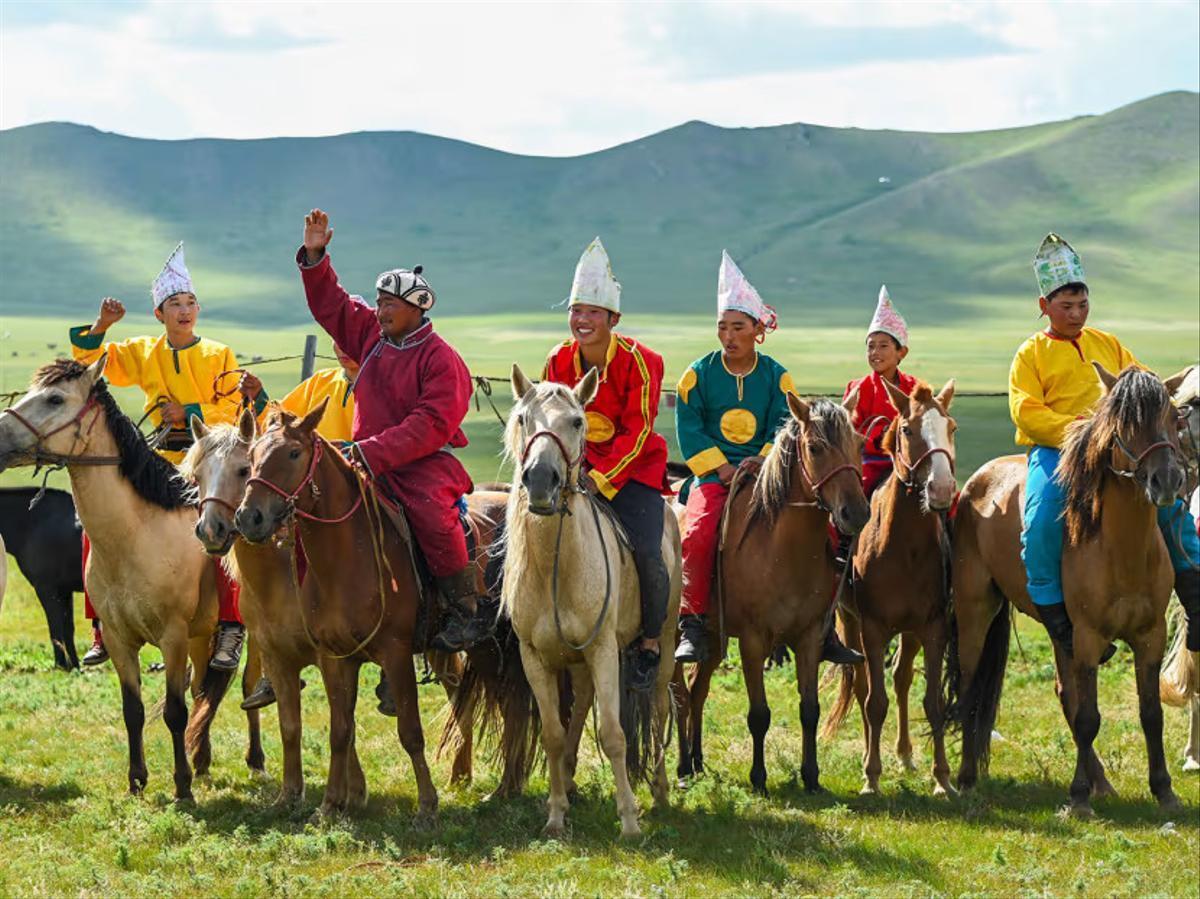
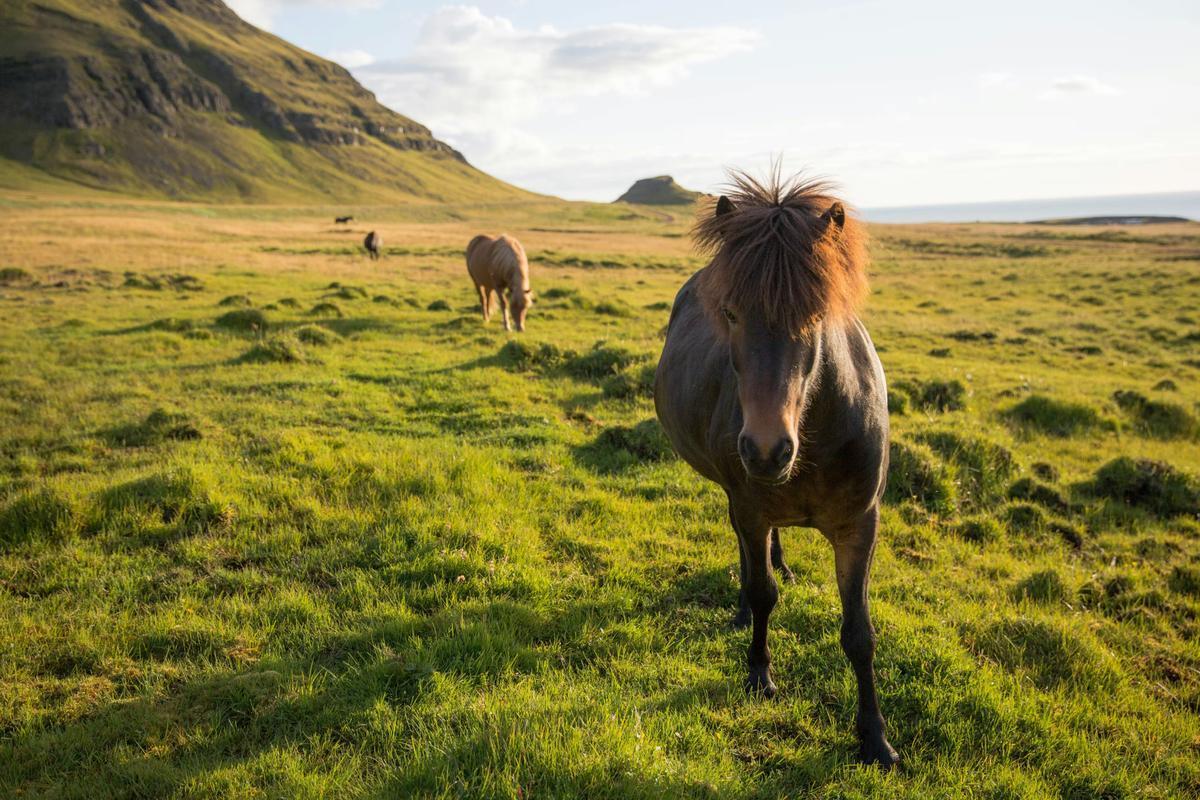
With the rise of horseback tourism, native horse breeds have also received more attention. The enthusiasm of horse lovers from all around the world to learn about and ride native horses — which often have a strong connection to a place’s heritage and history — encourages the breeding and, therefore, the preservation of these breeds.
Curious about horse breed-specific rides? Check out these:
The Andalusian Stallions Programme, Spain
Round Up Rhapsody - Thunder of Hooves in Skrapatungurétt, Iceland
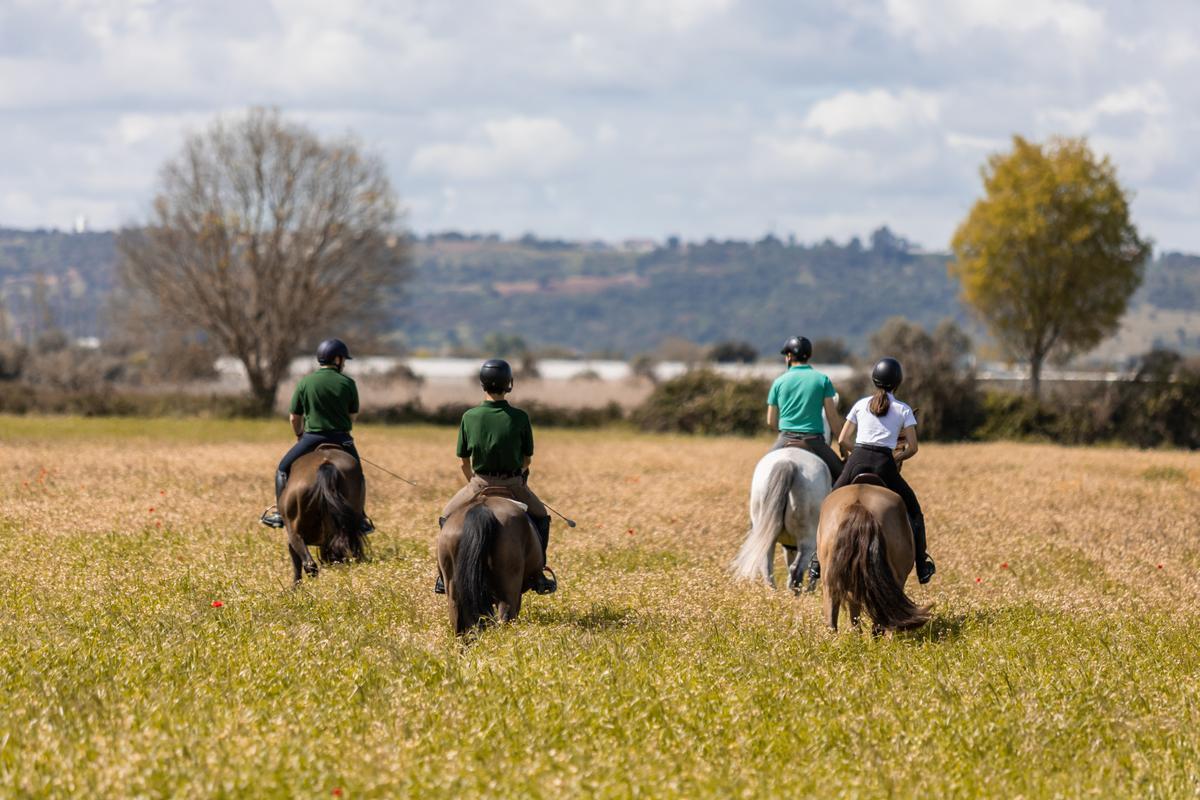
Lusitano Horses of Ribatejo, Portugal
Nature Conservation
Bringing tourists into nature can go two ways: destruction or conservation — and sometimes the line between the two can become blurred. In popular areas with large numbers of tourists taking part in horseback tours every year, concerns have been raised about damage to natural environments — especially in national parks — due to horses trampling vegetation.
Studies suggest that this concern does not necessarily reflect a significant problem when tours are properly managed and restricted to designated trails: in national parks with a high frequency of tours, horses stay on assigned paths, just as hikers or mountain bikers do. In less frequented areas with only a small number of horseback tourists each year, their impact is even less significant.
Regarding nature conservation, the larger the role of horseback tourism becomes in a region, the more the sector can advocate for increased funding for environmental protection. Moreover, since the focus of tours usually lies in experiencing the natural environment of a place, tourists often become more aware of environmental issues and develop a deeper appreciation for the landscapes they visit.
Want to experience breathtaking landscapes and learn more about nature? How about one of these rides:
Kazakhstan’s Bayanaul National Park: Through Nature and Legends
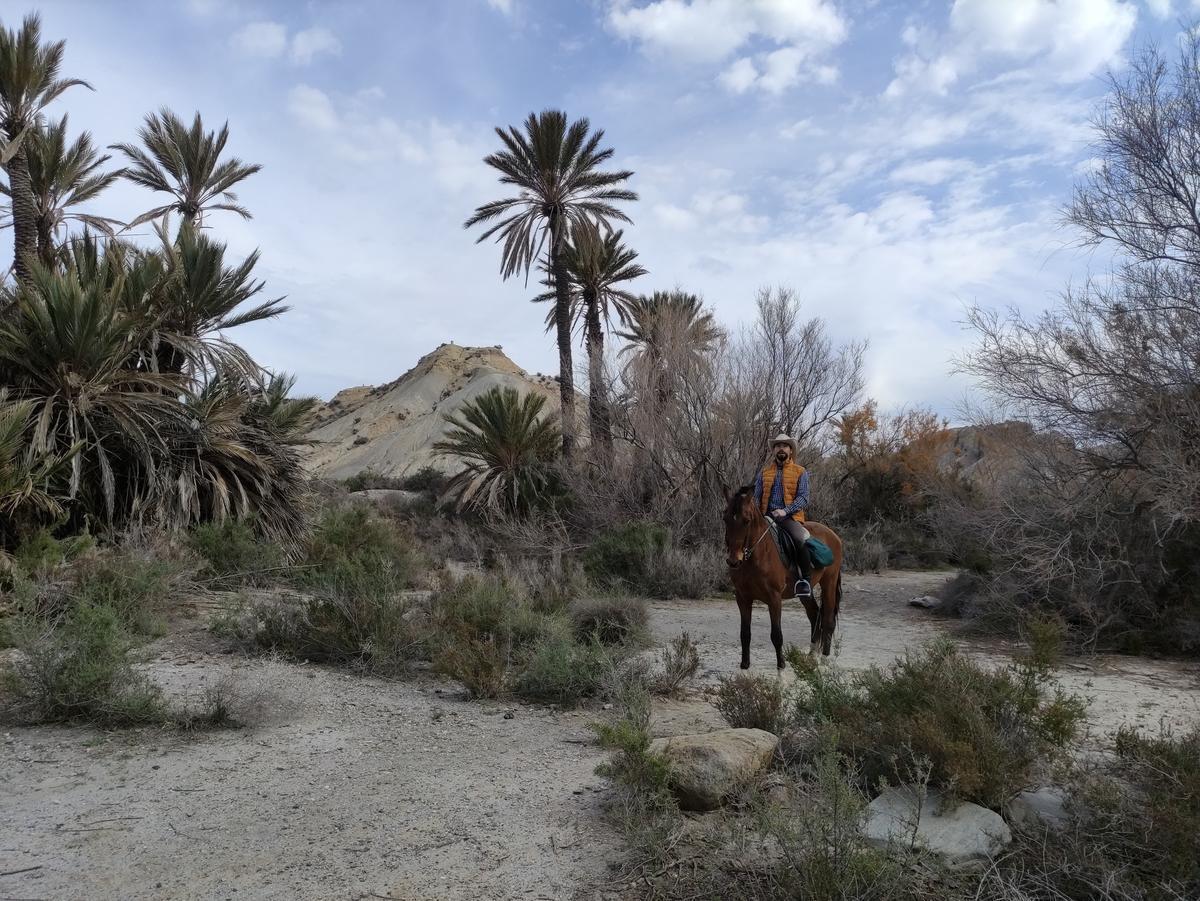
Tabernas Desert - European Hollywood, Spain
Empowerment of Rural Communities and Women
Countries worldwide experience rural depopulation, as more and more people move from the countryside to cities in search of better job opportunities and infrastructure. This process is self-reinforcing: as fewer people remain in rural areas, these places begin to feel deserted, making them even less attractive for younger generations.
Bringing tourists into the countryside helps strengthen the economy of small towns by supporting local businesses and creating jobs. During horseback tours that pass through villages, visitors spend a significant portion of their money in local restaurants and shops, supporting both artisans and businesses that improve the quality of life for local residents. It has been reported that restaurants and bars often reopen as tourism activity increases, becoming social hubs for locals at a time when the village might otherwise feel abandoned.
Farms that offer horseback tours also create additional jobs, making it more attractive for younger generations to stay. This gives smaller farms — which increasingly struggle to compete with larger agricultural enterprises — a better chance to survive by providing an additional source of income without requiring major investments.
In many regions, horse-based tourism is often led or co-led by women, showing that this sector can contribute to empowering women in rural environments. In the long term, horseback tourism has the potential to support more balanced local economic and social dynamics.
Ready to support women-led tours? Check out these:
Women Only - Ireland Cultural Tour
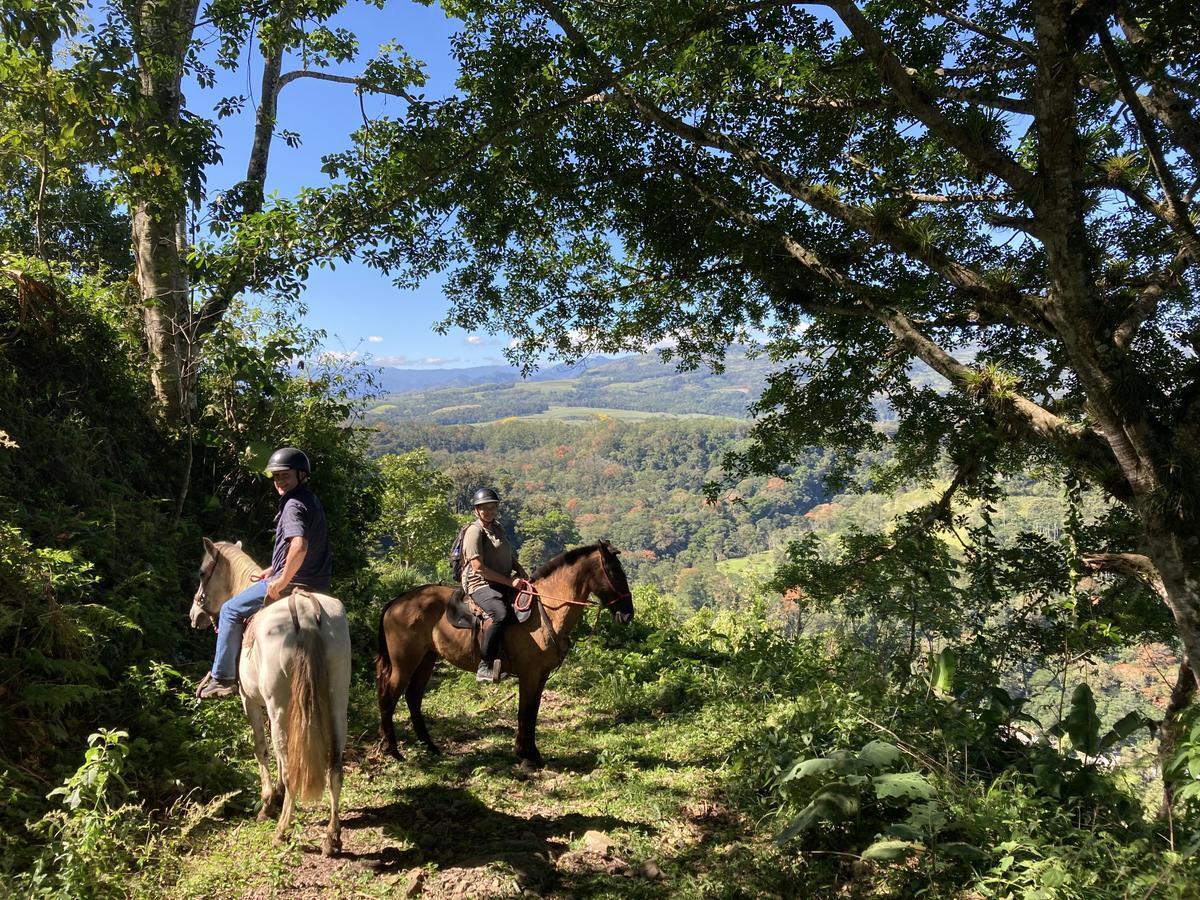
Hidden Trails of Costa Rica’s Central Valley
Unique Tour of Beijing and Beyond, China
Conclusion
So, what is the impact of participating in one of our horse riding holidays on the country you are visiting?
Whether it is the preservation of local heritage and culture, the encouragement of sustainable breeding of endangered horse breeds, support for nature conservation, or the empowerment of rural communities and women-led initiatives, horseback tours can have a positive impact on local sustainability.
Of course, horseback tourism will not magically reverse rural depopulation or transform entire economies. However, it has been shown that even small contributions can have meaningful effects. Additional income and the development of a niche sector can help stimulate broader economic and demographic changes. Sustainable activities like horseback tourism, which respect and preserve local culture, can play an important role in supporting rural areas.
So, if you were wondering whether a horse riding holiday can be not only an enjoyable experience but also a responsible travel choice, we hope this article has helped answer your questions — and perhaps inspired you to choose a journey that benefits both you and your destination.
About the author:
Mareike Bruhn is a university student majoring in International Land and Water Management. She is passionate about creating positive change in rural areas through both landscape-based and social approaches. Together with La Junquera, she offers horseback tours through the unexplored wilderness of Southeast Spain (www.lajunquera.com/horsetours).