Horse Riding in Tunisia: From Mediterranean Beaches to the Sahara Desert
Tunisia is one of the few countries where riders can choose between beach rides along the Mediterranean coast and multi-day expeditions through the Sahara Desert.
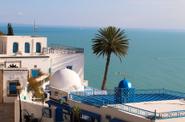
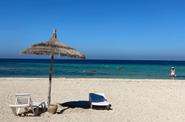
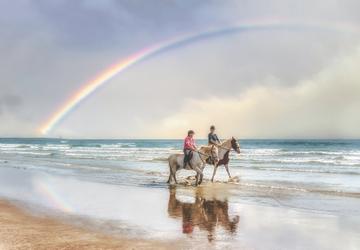
The north of Tunisia, along the Mediterranean coast, offers a more relaxed riding environment. Equestrian centres here combine beach rides, arena work, dressage and trail riding through the surrounding countryside, typically based at or near resort hotels. The Mediterranean climate provides mild winters and long, warm summers, making Tunisia a practical year-round riding destination.
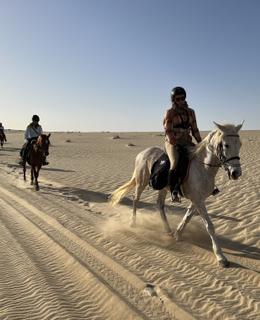
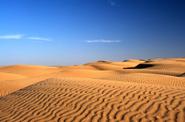
The south of Tunisia is an entirely different proposition. The landscape shifts from olive groves and mountain villages to open desert — the Grand Erg Oriental, one of the Sahara's largest sand seas. Riding here means crossing dune landscapes on horseback, camping in Berber tents, visiting ancient ruins and hot springs, and passing through mountain villages that have changed little in centuries. This is expedition-style riding for those who want something genuinely remote.
The Horses
Tunisia has a rich equestrian heritage rooted in the Berber people — the indigenous Amazigh communities of North Africa — who were renowned for their horsemanship for centuries. Two breeds are closely associated with Tunisian riding today.
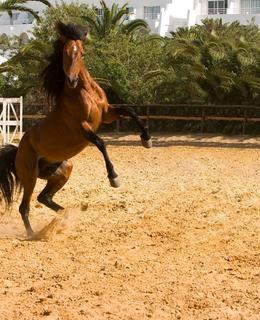
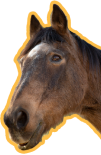
The Barb horse, also known as the Berber horse, is one of North Africa's oldest and most distinctive breeds. Compact and hardy, with strong legs and sturdy hooves, Barbs are courageous, people-oriented horses that have proven themselves across varied terrain. They are sometimes mistaken for Arabian horses, though the two breeds are distinct.
The Arabian horse — one of the world's oldest and most recognisable breeds — is also well established in Tunisia, recognisable by its refined wedge-shaped head, large eyes and high tail carriage. Arabians are known for their intelligence, stamina and responsiveness, qualities that have made the breed famous throughout the world.
Many riding centres use horses that are a cross between these two breeds, combining the hardiness of the Barb with the refinement and energy of the Arabian.
What to Expect
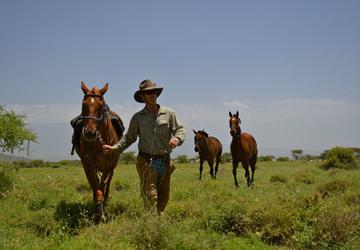
Riding options in Tunisia range from beginner-friendly beach and arena sessions suitable for families and complete novices, to challenging multi-day desert expeditions for experienced riders comfortable with long hours in the saddle across demanding terrain. Accommodation varies accordingly — from premium beach hotels with full resort facilities to traditional Berber tents under the desert sky.
The tours above offer several ways to experience Tunisia on horseback, from a week of riding and relaxation on the Mediterranean coast to immersive expeditions through the heart of the Sahara.