
But what exactly is a dude ranch? Often called a guest ranch, it's a vacation destination that welcomes visitors for an immersive Western experience centered around horseback riding, outdoor activities, and ranch life. In this guide, we'll explain what a dude ranch is, how it differs from other horseback riding vacations, the different types of ranches you can choose from, what a typical stay looks like, how much it costs, and how to find the right ranch for your next adventure.
What Is a Dude Ranch?
A dude ranch is a ranch-style vacation destination that welcomes paying guests — historically called “dudes” — to experience the American West through horseback riding, outdoor activities, and ranch life. At its core, a dude ranch vacation revolves around horseback riding, immersion in ranch culture, and outdoor adventures.
Unlike a traditional hotel or resort, everything here is built around active participation. Guests stay in rustic cabins or cozy lodges, ride horses every day, share hearty meals with fellow guests and ranch staff, and spend their days alongside wranglers and ranch owners.
The terms “dude ranch” and “guest ranch” are often used interchangeably and refer to the same type of experience. Both center on horseback riding as the main activity, complemented by comfortable accommodations, all-inclusive meals, and a range of authentic Western experiences — from cattle work and roping to fishing, hiking, campfire gatherings, and wildlife watching.
Most dude ranches operate on an all-inclusive basis. A single price usually covers accommodations, meals, horseback riding, and most daily activities. You simply arrive, settle in, and let the ranch take care of the rest.
Why Is It Called a "Dude" Ranch?
Today the word “dude” sounds casual or even a bit funny, but it has a real historical root.
In the late 19th century, the term “dude” became a popular way to describe city slickers — mostly well-to-do visitors from the East Coast — who came to the American West looking for adventure and a taste of frontier life. These visitors often arrived in fancy clothes, with little to no ranching experience, eager to play cowboy for a while.
Ranchers quickly realized they could make good money hosting these visitors. They began offering paid stays that included lodging, meals, horses, and a chance to ride, rope, and experience life alongside real cowboys. What started as a light-hearted nickname eventually became the official name: a “dude ranch” was simply a ranch that welcomed “dudes.”
Over time, the term lost its teasing tone and simply stuck. Today, many historic ranches still proudly use the name “dude ranch.”
A Brief History of Dude Ranches
The dude ranch tradition goes back to the 1880s in the Dakota Badlands. The Eaton Brothers — Howard, Willis, and Alden — are usually credited with starting one of the first commercial dude ranches. At first, they simply hosted friends and acquaintances from the East Coast who wanted to experience real ranch life. Word spread quickly, more people wanted to visit, and what began as informal visits gradually turned into a paying business.
In 1904, the Eatons moved their operation to Wolf, Wyoming, where their ranch continues to operate today as one of Wyoming’s historic dude ranches.
At the same time, the American West was becoming a powerful symbol in the public imagination — vast open spaces, cowboys, freedom, adventure. Easterners, tired of city life, were increasingly drawn to this romantic image of the frontier. When railroads made travel to the Rocky Mountains easier, more and more ranchers started welcoming paying guests. What started as a small source of extra income gradually grew into a real industry.
By 1926, dude ranching had become established enough that ranch owners formed the Dude Ranchers' Association — an organization that still exists today and helps preserve the traditions and standards of dude ranching.
Types of Dude Ranches
Dude ranches come in several different styles, from traditional guest ranches to working ranches and luxury resorts. Understanding the differences will help you figure out which one best fits what you’re looking for.
Traditional Guest Ranches
These are what most people picture when they think of a dude ranch. They focus on the classic Western vacation experience: daily horseback riding, hearty family-style meals, comfortable, rustic lodging, and a friendly, welcoming atmosphere. Unlike working ranches, they’re not running a full cattle operation — the emphasis is on giving guests a fun and immersive ranch experience.
Working Ranches
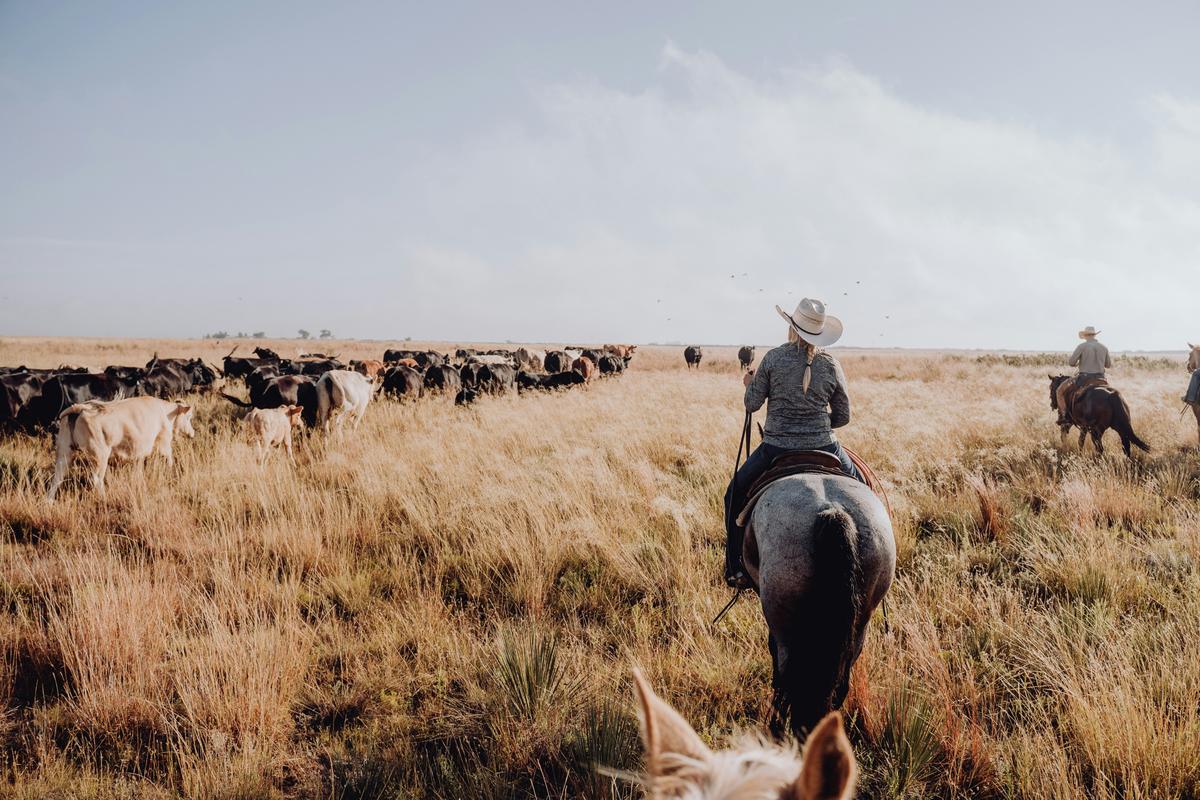
These are real, operating cattle or livestock ranches that also welcome guests. Here, horseback riding often has a practical purpose — you might help move cattle, check fences, or take part in hands-on ranch activities along with regular trail rides. Accommodations are usually simple and rustic, and the focus is on authenticity. They're the right choice if you want a genuine, hands-on ranch experience.
Resort (Luxury) Ranches
On the other end of the spectrum are resort-style or luxury dude ranches. These combine the Western experience with significantly more comfort. Expect upscale cabins or lodges, excellent meals, swimming pools, spa services, and attentive service — while still including daily horseback riding and outdoor activities. Traditional ranch work isn’t the priority here; it’s more about enjoying a comfortable, all-inclusive Western vacation.
Combination Ranches
A popular option for many first-time visitors, combination ranches offer a balance of authenticity, comfort, and variety. You can get a real taste of ranch life and even participate in some light cattle work, while enjoying nicer accommodations and a broader range of activities like hiking, fishing, and evening entertainment. They are a great choice for travelers who want a taste of real ranch life while still enjoying the comforts of a vacation.
Dude Ranch (Guest Ranch) vs Working Ranch vs Horseback Riding Vacation
With so many similar terms, it’s easy to get confused. Although some of these terms are used interchangeably, they don't all mean the same thing. Here’s how they compare:
Dude Ranch (Guest Ranch) | Working Ranch | Horseback Riding Vacation | |
Primary purpose | Tourism and an immersive Western vacation | Livestock production (some also welcome guests) | Travel and horseback riding |
Who you'll spend time with | Fellow guests, wranglers, ranch owners | Ranch staff and employees | Riding guides and fellow travelers |
Main activities | Horseback riding plus ranch-style activities | Daily ranch work such as cattle handling and fence checking | Guided horseback riding and exploring different landscapes |
Accommodation | Cabins or lodges, usually all-inclusive | Varies; many don't offer guest accommodation | Hotels, lodges, ranches, or camping depending on the tour |
Typical stay | Usually 3–7 nights | Varies depending on the ranch | From a single ride to multi-day expeditions |
A few clarifications are worth keeping in mind:
- "Guest ranch" and "dude ranch" refer to essentially the same type of vacation. Today, guest ranch is often used as the more modern term, while dude ranch reflects the tradition's historical roots.
- A working ranch isn't automatically a vacation destination. Many working ranches are purely agricultural businesses, while others also welcome paying guests and offer authentic ranch experiences.
- A horseback riding vacation is the broadest category. It includes dude ranch stays, multi-day trail rides, cattle drive vacations, point-to-point expeditions, and riding holidays that aren't based at a single ranch.
Accommodation & Meals
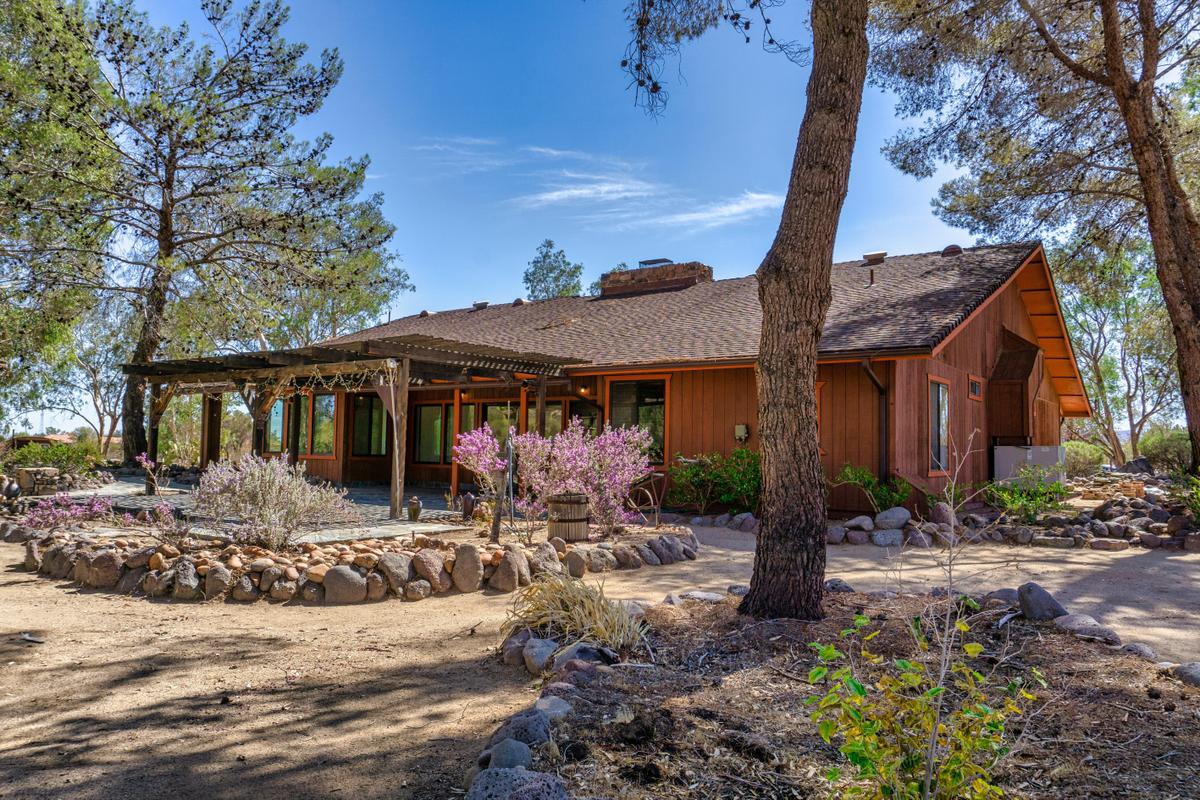
Most dude ranches accommodate guests in private cabins, a central lodge, or a combination of both. Cabins usually offer more privacy and are ideal for families or small groups, while lodge rooms are a popular choice for couples and solo travelers who enjoy being close to the ranch's main gathering spaces. On working ranches, accommodations tend to be simple and rustic. Resort-style ranches, by contrast, often feature spacious cabins with fireplaces, private porches, and resort-style comforts.
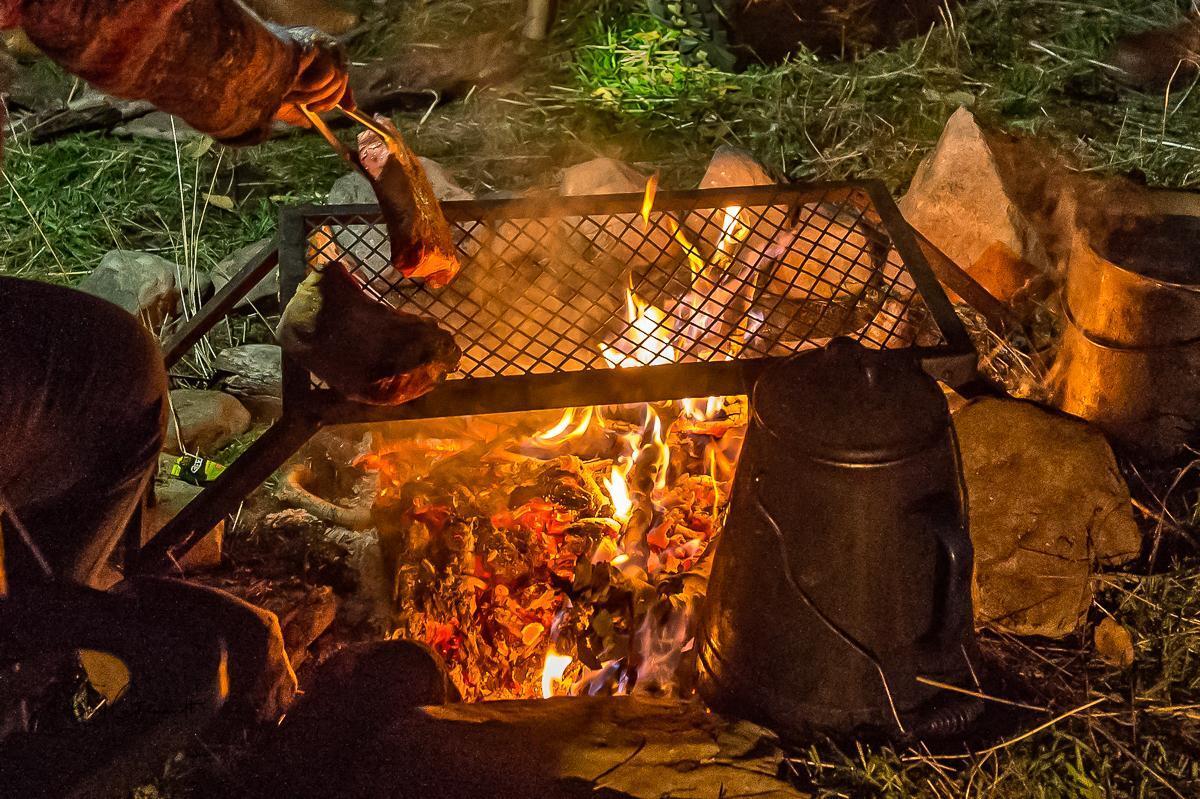
Meals are almost always included and are often served family-style, making shared mealtimes one of the most memorable parts of the dude ranch experience. Guests, wranglers, and sometimes even the ranch owners gather around the same table to share hearty Western meals and stories from the day's ride. Expect classics like barbecue, steaks, chili, fresh-baked bread, and the occasional cowboy cookout prepared over an open fire. Most ranches are also happy to accommodate dietary restrictions if they're notified in advance.
Because accommodations, meals, horseback riding, and most activities are typically included in one all-inclusive rate, there's very little to organize once you arrive. You can simply settle in, enjoy the ranch, and spend your days riding instead of worrying about logistics.
What to Expect at a Dude Ranch
If it's your first time, it helps to know roughly how a stay unfolds before you arrive.
Arrival. Most guests arrive in the afternoon, often after being picked up from the nearest airport or town. You'll usually be shown to your cabin or lodge room, given a rundown of the property, and invited to an orientation dinner where you'll meet the staff and other guests.
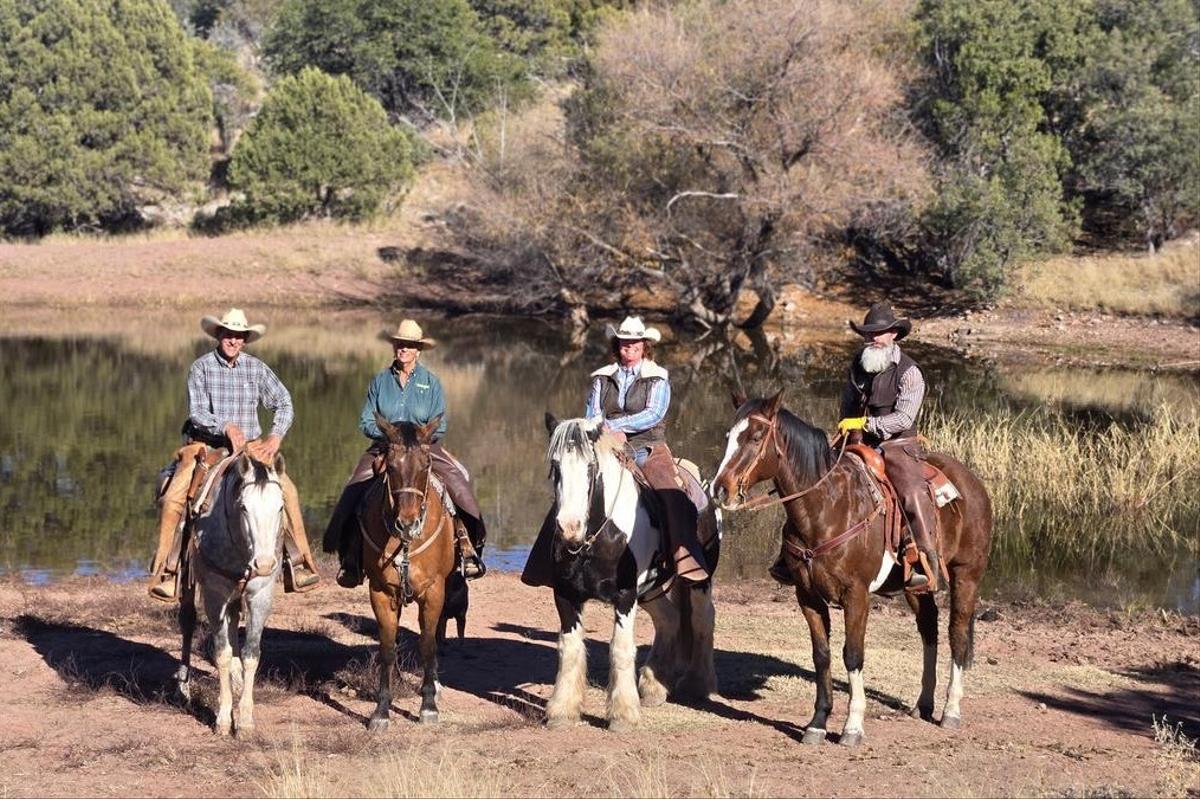
Meeting Your Wrangler. Wranglers are the heart of any dude ranch — experienced riders and guides who lead your rides, take care of the horses, and often double as storytellers around the campfire. Early in your stay, you'll typically sit down with a wrangler for a short interview about your riding experience.
Horse Matching. Based on that conversation, the wrangler pairs you with a horse suited to your skill level and personality — a calm, steady horse for beginners, a more responsive one for experienced riders. Many ranches keep the same horse assigned to you throughout your stay, giving you time to build trust and get to know your horse instead of riding a different one each day.
Settling Into Ranch Life. Once you're settled in, the rhythm of ranch life quickly becomes second nature. Most ranches follow a relaxed daily routine built around riding, shared meals, and time outdoors — the kind of pace that's easy to fall into after just a day or two.
Who You'll Meet. Beyond your wrangler, expect to spend time around ranch owners (many dude ranches are still family-run), cowboys, ranch hands, cooks, and other staff, as well as a small community of fellow guests who often become part of the experience itself.
What Happens on a Typical Day?
While every ranch has its own schedule, a typical day follows a familiar rhythm.
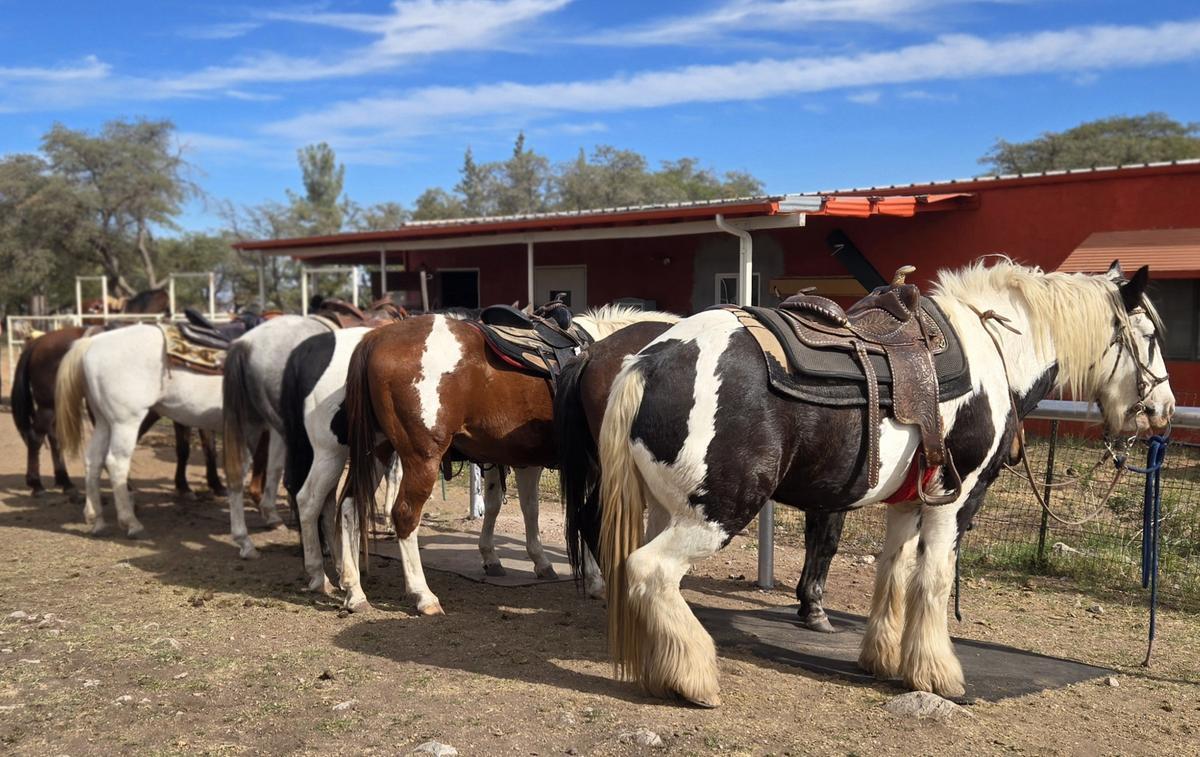
Breakfast. Days start early with a hearty, home-style breakfast — think eggs, bacon, pancakes, and plenty of coffee — to fuel up before heading to the barn.
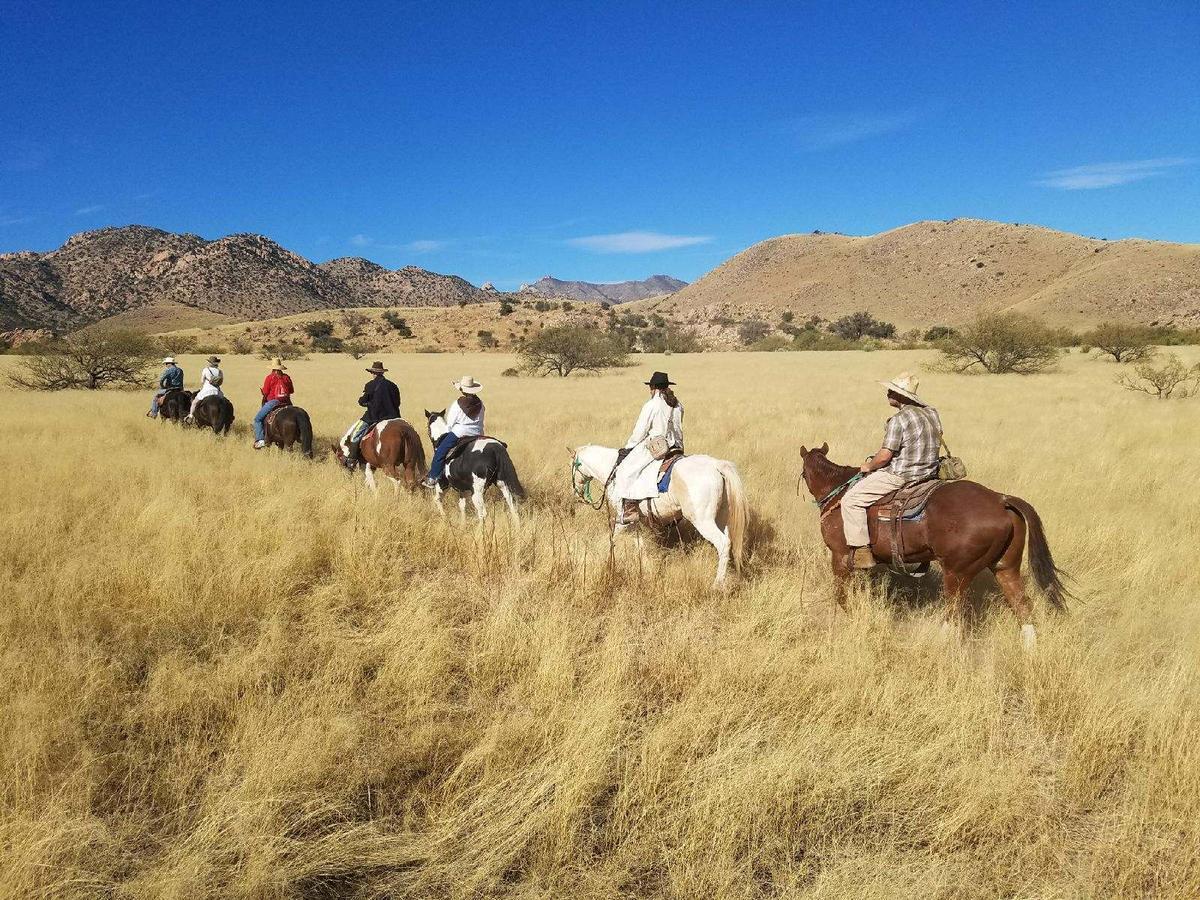
Morning Ride. After breakfast, it's time to head to the barn and set out on the main ride of the day. Depending on the ranch, this might mean trail riding through forests and meadows, climbing to a scenic overlook, or — on working ranches — helping move cattle or check fences along the way.
Lunch. It's either served back at the lodge or packed to enjoy out on the trail, giving riders a chance to rest before the afternoon.
Afternoon Ride or Activities. Afternoons often bring a second, shorter ride, horsemanship or roping lessons, fishing, hiking, or simply time to relax by the pool or on a porch with a view.
Evening. Dinner is typically the social highlight of the day, bringing guests, wranglers, and staff together around the same table.
Activities Beyond Horseback Riding
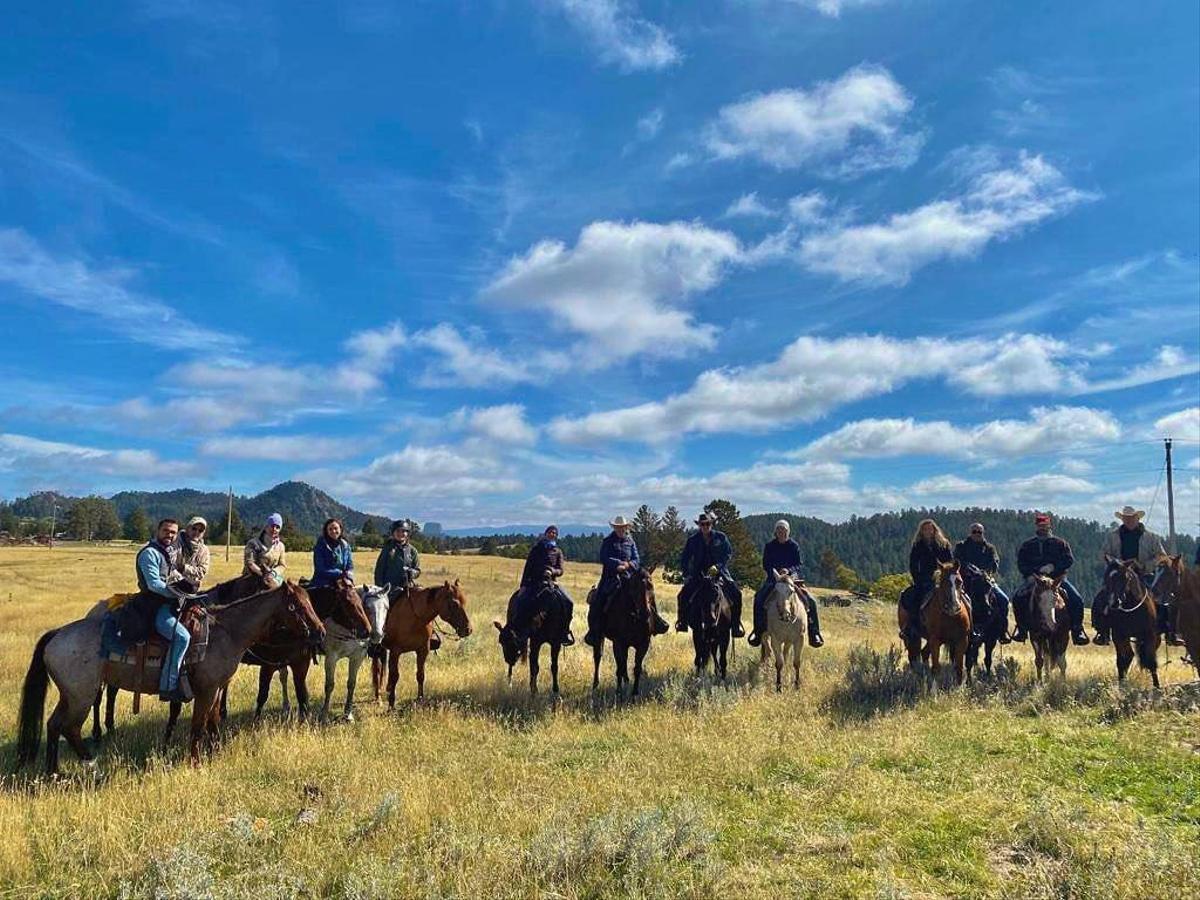
Horseback riding is always the centerpiece of a dude ranch vacation, but it's rarely the only thing on offer. Most ranches build a wide range of outdoor activities around it, so there's plenty to enjoy even when you're ready for a break from the saddle.
Fishing. Many ranches sit along rivers, streams, or lakes stocked with trout, and offer guided fly-fishing outings as part of the daily activity list.
Hiking. For those who want to explore on foot, ranches often have marked trails through the surrounding mountains, forests, or canyons, ranging from easy walks to full-day hikes.
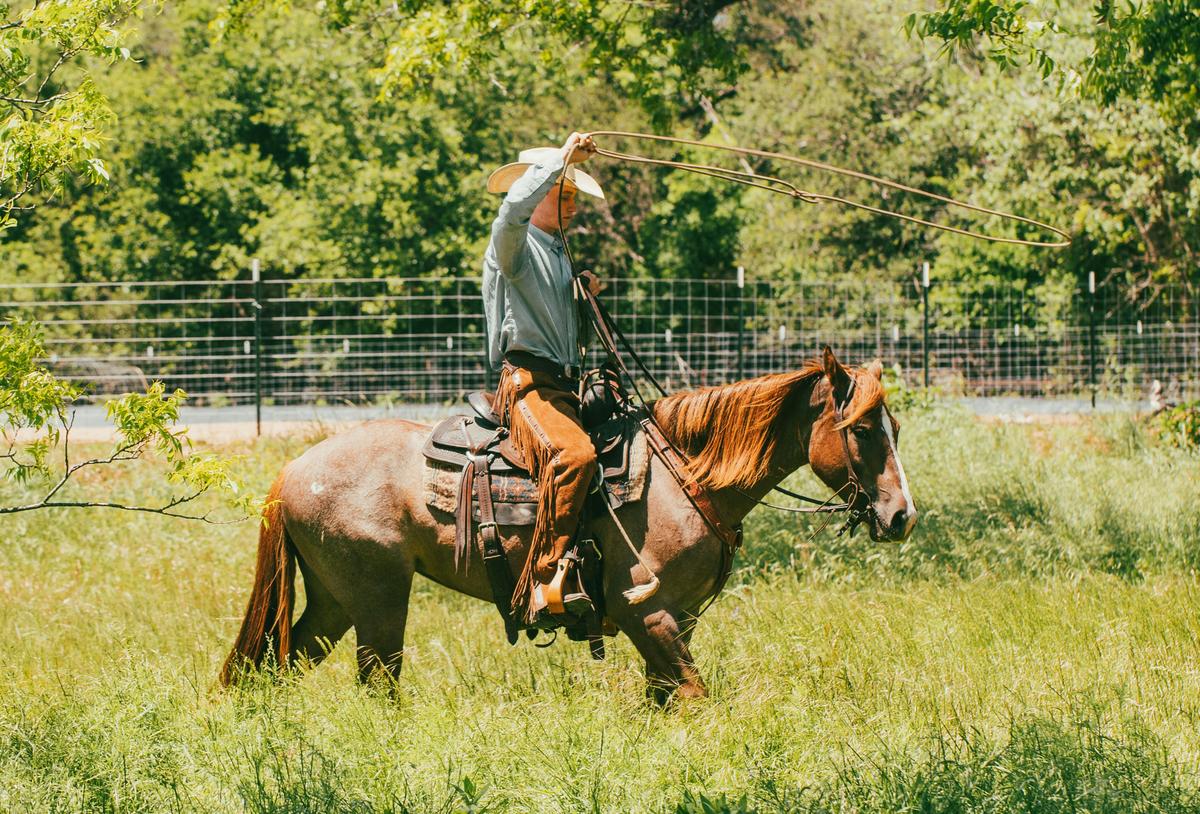
Roping and Ranch Skills. Some ranches offer lessons in roping, cattle handling, or other traditional ranch skills — a fun way to get a hands-on taste of cowboy life without committing to a working ranch experience.
Pack Trips. More adventurous guests can look for ranches that offer multi-day pack trips — extended horseback expeditions into the backcountry, camping along the way, for those who want to venture beyond the ranch itself.
Wildlife Watching. Depending on the region, guests might spot deer, elk, bald eagles, or even black bears from the trail — a highlight for nature lovers.
Swimming and Relaxing. Many resort-style ranches include a pool, hot tub, or nearby swimming hole, along with quieter spaces to simply relax between rides.
Evening Entertainment
After a full day in the saddle, evenings at a dude ranch are all about winding down together — and they're often just as memorable as the rides themselves.
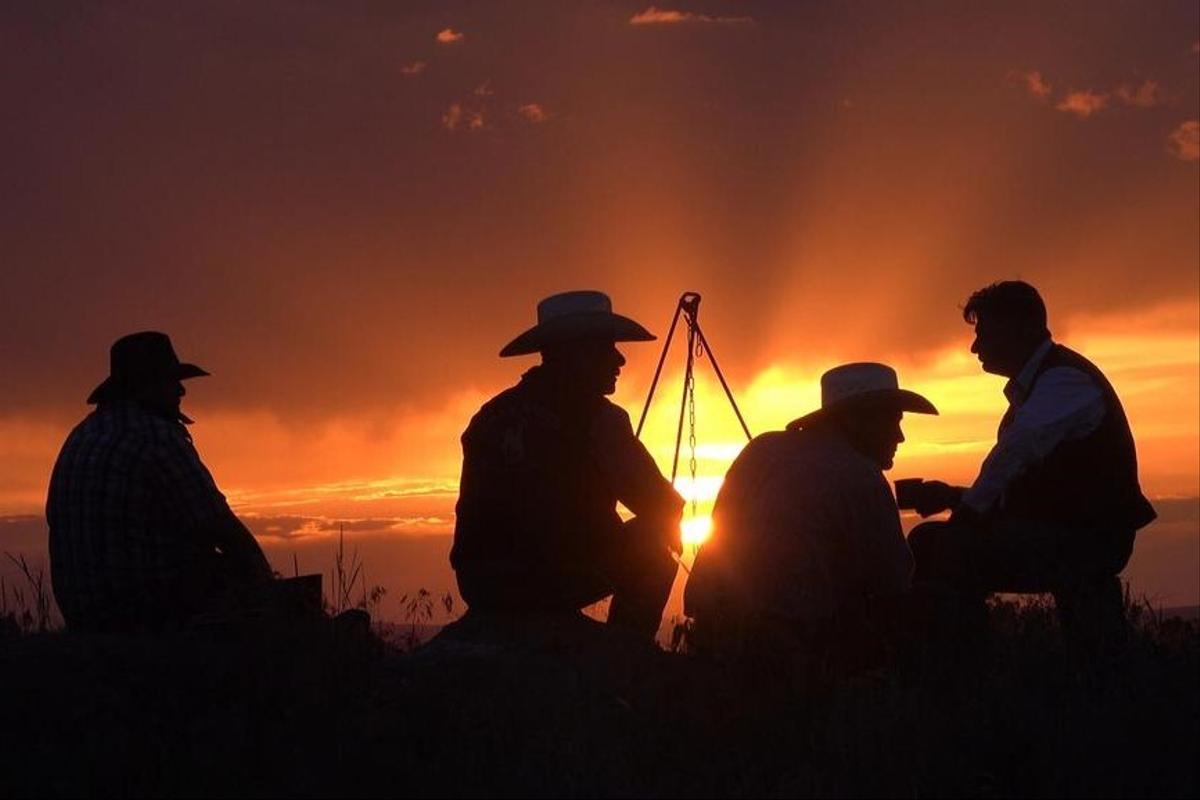
Campfire Gatherings. The classic end to a ranch day: a campfire under an open sky, often with guests and staff swapping stories from the trail.
Cowboy Cookouts. Many ranches host at least one outdoor cookout during your stay, serving up steaks, barbecue, or Dutch-oven cooking prepared right over the fire.
Live Music. Whether it's a ranch hand with a guitar or a hired band, live music is a common feature of ranch evenings, especially on resort-style properties.
Square Dancing. Some ranches lean fully into Western tradition with a square dance night, complete with a caller walking guests through the steps.
Storytelling and Ranch History. Owners and long-time wranglers often share stories about the ranch's history — a great way to learn about the ranch, the region, and the traditions that have shaped life in the American West.
Who Are Dude Ranch Vacations Best For?
Dude ranch vacations appeal to a wide range of travelers, but some types of ranches are better suited to certain visitors than others.
Families
Many ranches offer dedicated children's programs, sometimes called Junior Wrangler programs, that keep children busy with age-appropriate riding lessons, games, and outdoor activities, often supervised separately from the adult program. This gives parents time to enjoy their own rides while kids build confidence around horses at their own pace.
Beginners
You don't need any riding experience to enjoy a dude ranch. Horses are matched to riders based on experience, wranglers provide hands-on instruction, and rides are paced to the group's comfort level — making it one of the most approachable ways to try horseback riding for the first time.
Couples and Solo Travelers
Dude ranches also make for a memorable couples getaway or solo adventure. The shared meals and group activities make it easy to meet other guests, while the daily rhythm of riding and relaxing suits travelers looking to unplug without a rigid itinerary. Some ranches are adults-only, creating a quieter atmosphere that's especially popular with couples and solo travelers.
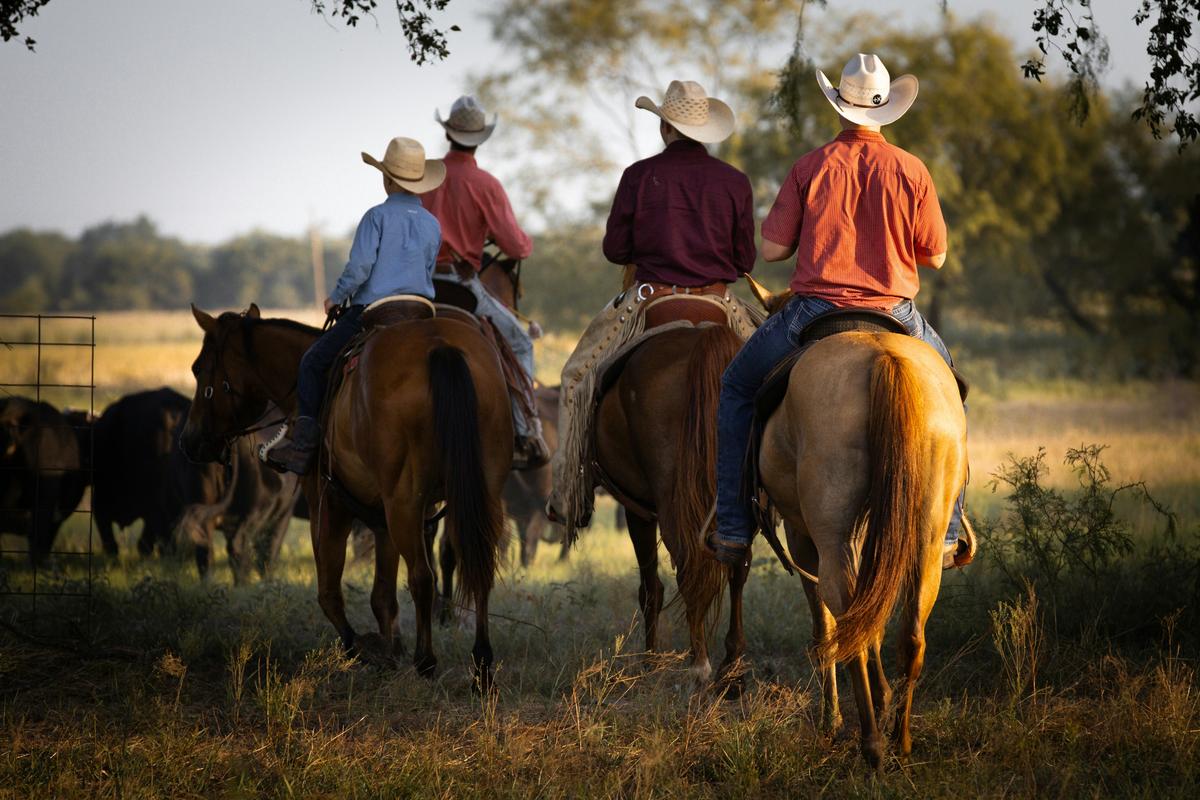
Experienced Riders
For those who already know their way around a horse, working ranches and pack trips offer a more authentic, hands-on experience — real cattle work, longer rides, and opportunities to put existing riding skills to good use.
Are Dude Ranches Safe for Beginners?
One of the most common questions people ask before booking a dude ranch vacation is whether it's safe for someone with little or no riding experience. For the vast majority of ranches, the answer is yes.
Horse-Rider Matching. One of the first things a wrangler does is match each guest with a horse that suits their riding experience, confidence, and ability. Beginners are typically paired with calm, well-trained horses that are accustomed to carrying novice riders, while more experienced guests may be matched with horses that are more responsive and energetic. This careful matching process is one of the most important safety practices at a reputable dude ranch and helps riders feel comfortable and confident from the very first ride.
Safety Briefings. Expect a proper orientation before you ever get in the saddle: how to mount and dismount, basic steering and stopping, trail etiquette, and what to do if something goes wrong. Wranglers usually run through this with every new guest, regardless of experience level.
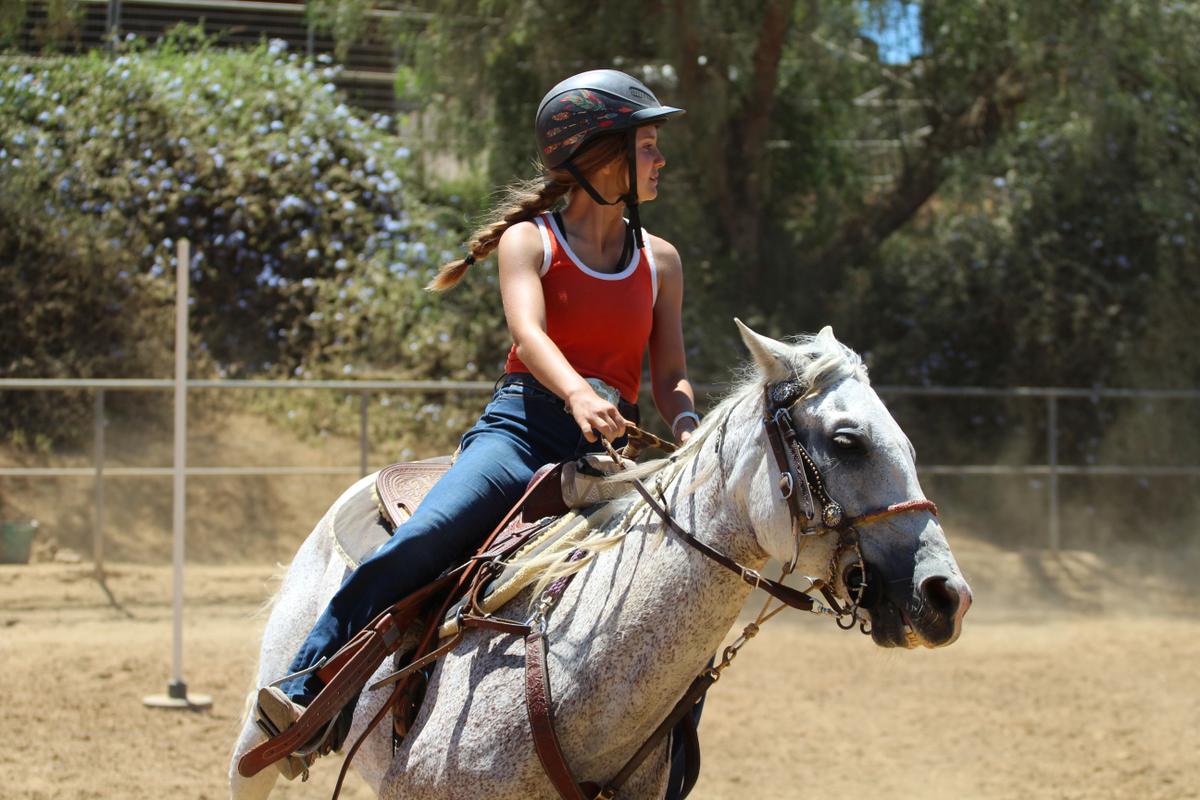
Riding Helmets. Most ranches provide riding helmets and require them for children. Policies for adults vary by ranch: some require helmets for everyone, while others allow experienced adult riders to choose between a helmet and a traditional cowboy hat. If you prefer to wear a helmet, one is almost always available.
Small Groups and Close Supervision. Rides are usually led by an experienced wrangler and kept to manageable group sizes, so beginners are never far from guidance if they need it.
Together, these practices make dude ranches one of the safest and most approachable places to experience horseback riding for the first time.
Best Time to Visit: Seasons at a Dude Ranch
Dude ranches offer a different experience in every season, so the best time to visit depends on what you're looking for. While summer is the busiest time of year, spring, fall, and even winter each have their own advantages.
Summer. Summer is the peak season for most dude ranches, especially across the Rocky Mountain states. Long days, warm weather, and a full schedule of horseback riding, fishing, hiking, and family activities make it the most popular time to visit. If you're planning a summer trip, it's worth booking several months in advance.
Spring. Spring brings green pastures, wildflowers, and newborn foals at many ranches. It's usually quieter than summer, and some ranches offer lower rates before the peak season begins. Weather can be unpredictable, especially at higher elevations, but it's an excellent choice if you enjoy peaceful trails and fresh spring scenery.
Fall. Many experienced riders consider fall one of the best times to visit. Cooler temperatures make long rides more comfortable, fall colors transform the landscape, and some working ranches are busy with seasonal cattle roundups. Crowds also tend to be smaller after the summer holidays.
Winter. Not every dude ranch stays open year-round, but those that do offer a very different experience. Depending on the ranch, horseback riding may continue on snow-covered trails or be replaced by activities such as sleigh rides, cross-country skiing, snowshoeing, and cozy evenings by the fire. It's a quieter, more intimate season that's ideal for travelers looking for a peaceful winter escape.
How Long Do People Stay?
Most dude ranch vacations run from three to seven nights, with a full week being the most common option — long enough to settle into the rhythm of ranch life, get to know your horse, and try most of the activities on offer without feeling rushed.
Shorter stays of two or three nights are available at some ranches and can work well as part of a longer Western road trip, though the experience can feel more abbreviated, with less time to settle into the ranch routine. Longer stays, including multi-day pack trips of a week or more, suit guests who want to explore deeper into the backcountry or simply extend their time in the saddle.
Whatever the length, many ranches operate on a fixed check-in day — often Sunday — so trips are typically planned in full-week blocks rather than arriving on flexible dates.
How Much Does a Dude Ranch Vacation Cost?
Dude ranch prices vary widely depending on the type of ranch, location, season, and length of stay. As a general guide:
- Traditional Ranches. Expect roughly $250–$500 per person, per day, all-inclusive. This usually covers a comfortable but simple cabin or lodge room, home-style meals, and a full daily riding program.
- Midscale Ranches. Around $500–$800 per person, per day. These ranches typically offer more polished accommodations, a wider range of activities, and sometimes smaller guest-to-wrangler ratios.
- Luxury Resort Ranches. Often $800–$1,500+ per person, per day. This tier includes upscale cabins or suites, gourmet dining, spa services, and a broader selection of non-riding activities.
Since most dude ranches operate on an all-inclusive model, the daily rate usually covers accommodation, meals, horseback riding, and most on-site activities. Flights, transfers to the ranch, gratuities for wranglers and staff, and optional extras such as massages or off-site excursions are typically charged separately.
Because a full week is the standard length of stay, total costs for a family of four can range from roughly $7,000 at a traditional ranch to well over $20,000 at a luxury property. The best choice depends on whether you prioritize authenticity, comfort, or a high-end resort experience.
What Should You Pack?
Packing for a dude ranch is less about looking the part and more about staying comfortable in the saddle and around the ranch. A few essentials:
Jeans or riding pants — sturdy, comfortable, and durable enough for hours in the saddle.
Boots with a heel — cowboy boots or riding boots with a small heel to help keep your foot secure in the stirrup.
Layers — mornings and evenings can be cool even in summer, especially at higher elevations, so a light jacket or fleece is essential.
Sun protection — a wide-brimmed hat, sunscreen, and sunglasses, since you'll spend hours outdoors.
Comfortable casual clothes — for evenings around the lodge or campfire.
Riding gloves — optional but useful for comfort and grip on longer rides.
A reusable water bottle — to stay hydrated on the trail.
Many ranches provide riding helmets, especially for beginners and children, though policies vary by property. Some also supply chaps or other riding gear, so it's worth checking your specific ranch's packing list before you go.
For a deeper dive into what to wear and why, check out our full guide on What Should You Wear for Horseback Riding.
Best States for Dude Ranch Vacations in the USA
Dude ranches can be found throughout the American West, but some states have become especially famous for their ranching traditions, landscapes, and variety of guest ranch experiences.
Wyoming. Home to some of the oldest dude ranches in the country, including the Eaton ranch near Wolf — one of Wyoming's most storied properties. Expect dramatic scenery around the Bighorn Mountains, the Tetons, and Yellowstone country.
Montana. Big Sky Country lives up to its name, with ranches set against sweeping mountain ranges, trout-filled rivers, and easy access to Glacier and Yellowstone National Parks.
Colorado. A popular choice thanks to its mix of accessibility and scenery, with ranches scattered throughout the Rockies — many offering a great balance of riding, hiking, and resort-style comfort.
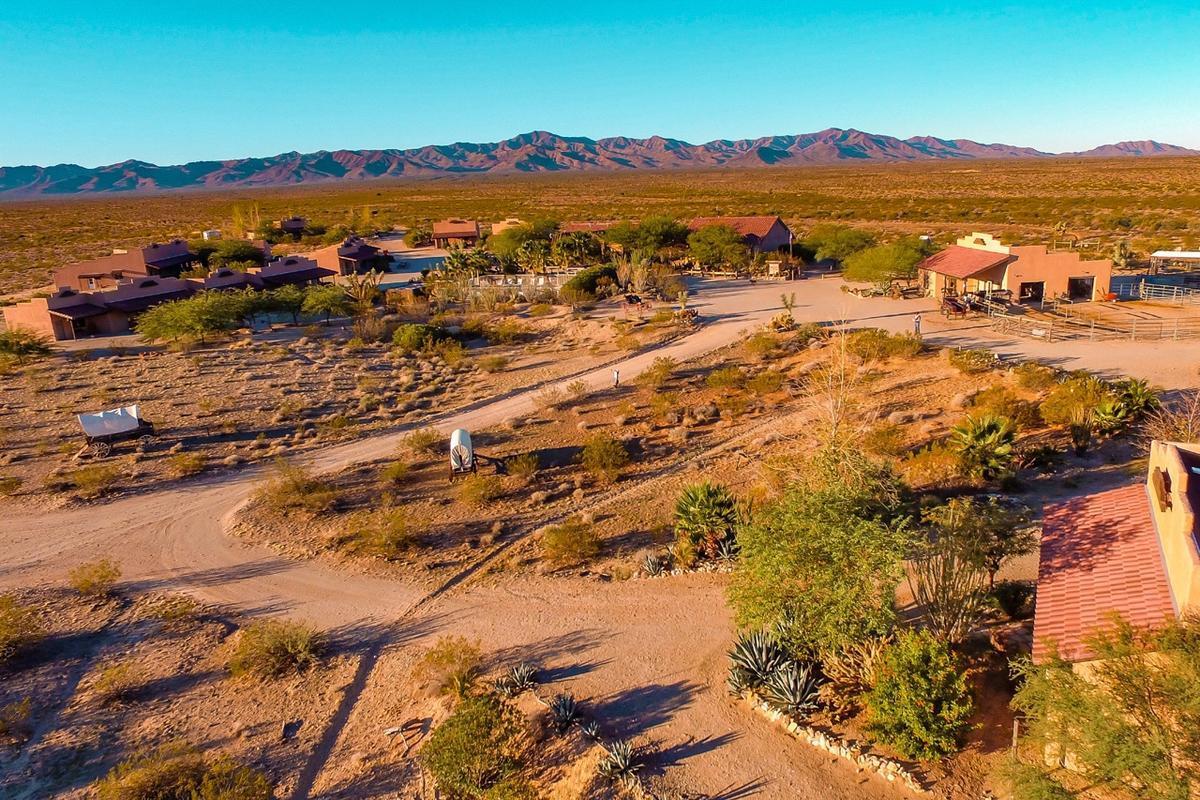
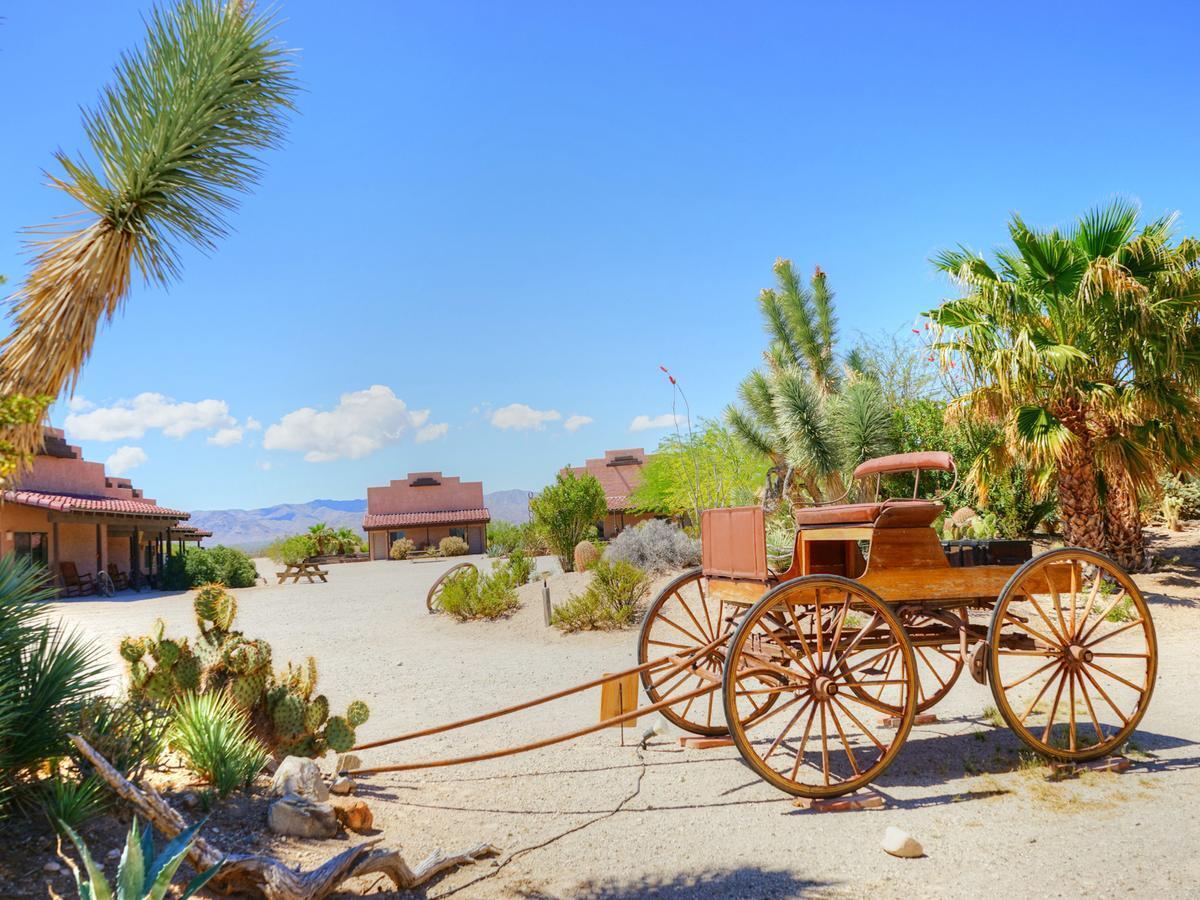
Arizona. Known for its desert dude ranches, offering a completely different landscape — cactus-studded trails, red rock canyons, and warm winters that make it a popular year-round destination.
New Mexico. Home to a mix of working and resort-style ranches, with landscapes ranging from high desert to forested mountains, plus a strong Southwestern cultural backdrop.
If you're ready to start planning, explore our Dude Ranch Vacations collection, featuring authentic ranch stays across the American West — including all-inclusive dude ranch experiences from trusted local providers.