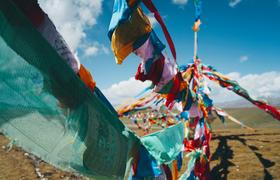
In addition to its natural beauty, Upper Mustang is home to ancient Buddhist monasteries, Chortens, and Mani walls, along with a captivating lifestyle and culture influenced by Tibetan traditions. A key highlight of this trek is Lo-Manthang, the historic walled capital of the former Kingdom of Mustang, known for its vibrant deserts and uniquely patterned ancient houses. The trek also includes visits to Rachung Cave, Ghar Gompa, and Dzong Cave, where trekkers can witness some of the best-preserved aspects of Tibetan Buddhism.
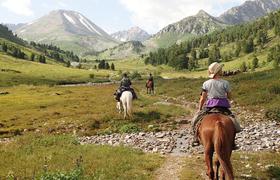
Exploring the restricted areas of Upper Mustang on horseback allows trekkers to gain insight into Himalayan life. Additionally, the unique and thought-provoking festivals such as Yartung Mela and Tiji Festival add to the trip's significance, especially if your visit coincides with these events. To celebrate the end of summer, the local Gurung and Thakali communities engage in a three-day festival called “Yartung Mela,” featuring horse races, traditional wines, singing, and dancing.
This festival is celebrated across Mustang but holds special significance in Lo-Manthang and Muktinath during mid-August or September (on the full moon). Over the three days of festivities, activities include performances by the Local King on the first day, monks on the second, and local residents on the third. A highlight is the horse racing competition, which involves both men and women. Foreign and local tourists are also welcome to participate in the celebrations after the indigenous rituals are completed.
On the other hand, Tiji is regarded as Upper Mustang's most colorful and significant festival. Celebrated in mid-May for three days, it symbolizes the triumph of good over evil and features meditation and dance. Tiji is an enchanting annual event that incorporates Tibetan rituals centered around a myth about a son who saved the Mustang kingdom from ruin. While it does not involve horse riding like Yartung, it is still highly appreciated by tourists visiting during this time.